
Your Podcast Niche Matters, But Your Video Setup Matters Just As Much!
Most podcasters spend a lot of time shaping their niche, and that’s important. A niche should be focused, clear, and broad enough to carry you through fifty episodes without running out of ideas. But there’s another part of podcasting that deserves the same level of attention, and it’s the part many people overlook: your video setup.

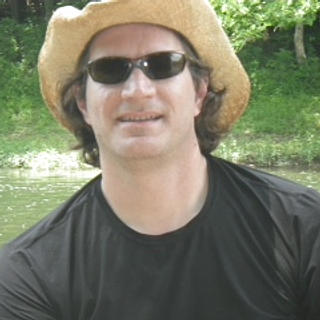
This article is brought to us by Eric Clajus, founder of ECCreative, and proud Podnooga team member
Your camera, lighting, and backdrop are just as influential as your message. Your niche may be what people search for, but your video is what makes them stop scrolling. In today’s landscape, people often discover a podcast through short clips long before they ever hear a full episode. That first impression is visual.
Many podcasters begin recording in whatever corner of the house feels convenient. It works for a while, until the problems start to show. The lighting is uneven because of too many windows. The room echoes because of hard, flat surfaces. Foot traffic interrupts recordings. The background doesn’t match the message or the story being told. Before long, you’re moving from room to room, buying new lights, rearranging furniture, or trying to fix everything in post. It becomes frustrating, and it’s largely avoidable if you run a few trial recordings and give serious thought to where and how you’ll shoot.
Consistency Matters
A consistent visual identity builds trust and interest. Just as a niche gives your show direction, your visual environment gives it credibility. A clean backdrop, steady lighting, and a reliable camera angle signal intention and professionalism. They tell your audience that you care about the experience you’re creating. It’s not about having a fancy studio; it’s about creating a space that supports your message instead of distracting from it.
Your first question should be: can I create fifty episodes? Can you come up with enough content to sustain the show? This is a crucial first step. Sit down and write out fifty-episode ideas. Don’t worry about whether each title can carry a full episode yet, it’s more important to prove that you can generate fifty concepts.
Once you’ve done that, find a place you think could work as a backdrop. Physically sit in the spot where you plan to record. Then listen. Set up your camera and microphone and read something out loud while recording. Play it back and listen for room noise or echoes. Next, record a shot of the chair you’ll be sitting in. Watch it back and pay attention to what surrounds you. Look for shadows, cords, clutter, or anything that distracts from your message. After the entire process, ask yourself: can I realistically record fifty episodes sitting in this chair?
You can always change locations later, but understanding the importance of your recording environment from the start will set you up for greater success.
Thinking Outside the House
Here’s one practical suggestion: find a local musician and ask where they record. Many music studios sit empty during the day, since most musicians record in the evening. Some studios are open to renting their space during off-hours, sometimes at a very reasonable rate. Music studios often have great acoustics and controlled lighting, which makes them excellent places to record a podcast. Traditional podcast studios are also fairly affordable if you have the budget.
A strong niche gets people in the door. A strong video setup keeps them there. When you dial in both, your podcast becomes easier to produce, easier to watch, and ultimately easier to grow.
About the Author:

Eric Clajus is the founder of ECCreative, a Chattanooga-based studio specializing in video editing, content repurposing, and visual storytelling for podcasters, speakers, and creators. He helps shows build a consistent on-camera identity through clean lighting, intentional backdrops, and polished, story-driven video that elevates their message and grows their audience.

Comments