
Best Podcast Gear for Beginners: My Setup + Budget and Pro Alternatives

Starting a podcast can feel overwhelming, especially when you fall down the rabbit hole of gear videos, reviews, and people arguing online about what microphone is “right.”

Here’s the truth - There is no perfect setup, and buying the most expensive equipment will not magically make your podcast good. I’ve worked on my own shows, helped other creators launch, and spent plenty of money figuring out what actually matters and what doesn’t. What I’ve learned is simple:
Content and consistency will take you further than gear ever will.
Good equipment should enhance a solid show, not rescue a weak one.
This guide is for DIY podcasters who are either:
just starting from scratch, or
ready to step into something better than the basics.
I’ll show you what I personally use, plus budget options and premium upgrades depending on where you are in your journey. My goal is to help you feel confident about what to buy — and avoid wasting money on “industry standard” items you don’t actually need.
USB vs XLR (Quick Beginner Explanation)
You’ll see these terms everywhere.
USB mics plug straight into your computer or phone. They’re convenient and simple.
XLR mics require an interface or mixer, but they typically provide:
better sound quality
more control
fewer weird connection problems
easier upgrading long term
If convenience is king → USB is fine. If you want stronger quality and room to grow → XLR is worth it.
Microphones
Josh's Pick: Rode PodMic

This mic is one of the best values in podcasting. I chose it because it delivers sound similar to the famous podcast microphones you see everywhere, but for less than half the cost. The build quality is excellent, it looks professional on camera, and it’s extremely easy to set up.
What problem it solved
Immediately got more consistent, fuller audio compared to the cheaper mics I started with.
Who it’s for
Honestly? Almost anyone. Beginner to pro. Tons of shows use these.
Downsides
None worth worrying about.
Should a beginner buy it?
At around $100, it might feel like a jump, but you will not regret it at any stage.
Budget Option: Wireless USB-C Mics

These are great if you’re recording directly into your phone or want something ultra portable. They’re affordable and will still sound noticeably better than your built-in device mic.
Tradeoffs
You have to keep them charged
You get less control over shaping the sound
Not as rich as XLR setups
Who should buy this
Brand new creators making content straight from their phone or laptop.
When you’ll outgrow it
When you want more professional control and flexibility.
Premium Option: Shure SM7B

This is the iconic podcast look and sound.
Who it’s for
People who want top-tier, industry-recognized gear.
What it improves
You get connection flexibility and built-in tools depending on the model.
Would I recommend it to start?
No. You can achieve very similar results for far less money.
Future proof?
Absolutely.
Interfaces
If you’re going XLR, this is how your microphone talks to your computer.
My Pick: Behringer UMC404HD

This thing is a workhorse. Four inputs, great sound, easy connection, and usually around $139. It’s one of the best values out there.
What problem it solved
Recording multiple hosts/guests became simple, and my audio quality jumped immediately.
Who it’s perfect for
Anyone who wants flexibility with multiple mics while keeping setup beginner friendly.
Learning curve
You’ll need to understand input/output selection in your software, but it’s not hard.
When to buy
Any stage, especially if you have guests.
Budget Option: Behringer UMC202HD
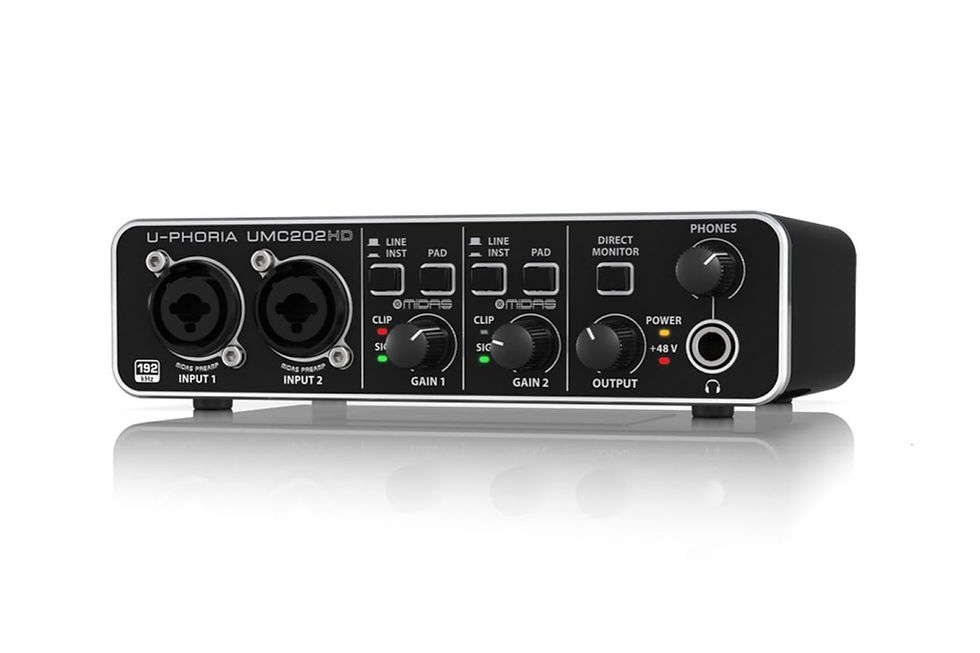
Almost the same as my unit, just two inputs instead of four. Perfect for one or two hosts. You only outgrow this when you need more channels.
Premium / All-In-One: Rodecaster Pro II

This is for people who want everything in one box. You can record straight to it, adjust audio, and avoid messing with computer routing.
What frustrations it removes
No complicated setup. Fewer ways to plug something in wrong.
Beginner friendly?
If you want simple and have the budget, yes.
Limit
You’re capped at four mic inputs.
Headphones
My Pick: Sony MDR-V6
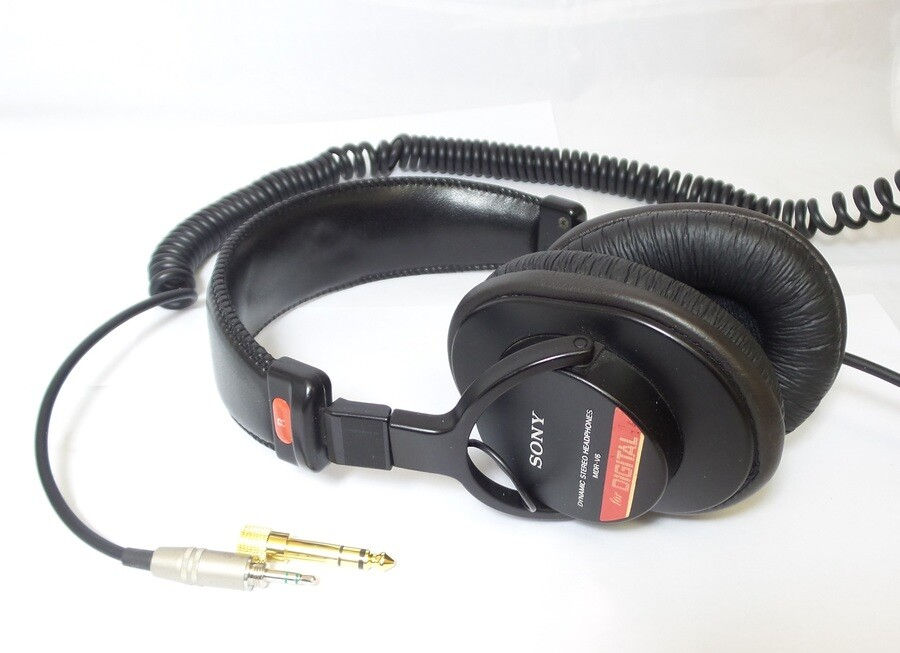
Comfortable, reliable, and they sound great without being crazy expensive. I can also replace parts when they wear out.
What problem it solved
I can isolate the mix and make sure everything sounds right while I’m recording.
Who it’s for
Any level of podcaster who wants real monitoring.
When to buy
When you’re serious about improving quality.
Budget Option: Apple Wired EarPods

Super accessible, connect to almost anything, and honestly impressive for the price.
Tradeoffs
Some people find them uncomfortable.
Who should buy
Phone-based creators or beginners who want better sound than built-in phone microphone.
Premium Option: RØDE NTH-100M

High quality, very comfortable, and includes a boom mic.
Should beginners buy it?
Probably not unless you love the form factor and have the money.
Future proof?
Yes.
Accessories That Matter More Than You Think
Here’s something people don’t expect me to say: Upgrading cables has made a bigger improvement in reliability for me than upgrading microphones.
Good cables mean:
fewer random noises
fewer failures
less troubleshooting
more confidence
Other smart adds:
pop filters
solid boom arms
basic room softening (carpet, curtains, furniture)
You don’t need a perfect studio. You just need fewer reflections and clean signal flow.
What Guests Tell Me
One of my favorite compliments I’ve received is that my setup feels clean and professional without being intimidating. People who were nervous about being recorded ended up relaxing quickly, and that leads to better conversations. That matters more than flashy equipment.
Final Encouragement: Just Start
If you’re nervous, use what you have. Your phone, a pair of wired headphones, and hit record. Improve each episode. Stay consistent. Learn as you go. Because in the long run, the shows that grow aren’t the ones with the best gear… They’re the ones that keep going.


Comments