
Our Favorite Christmas Movie Soundtracks - Christmas 2025

Updated: Mar 3
What Makes a Christmas Movie Truly Unforgettable?
What makes a Christmas movie truly unforgettable? Is it the sparkling lights? The heartfelt stories? Or is it the music that follows us from living room speakers to local shopping malls, embedding itself in our collective cultural memory? The “Judged by the Cover” podcast dives deep into this question in their special holiday episode. They explore how Christmas movie soundtracks, along with a few holiday albums, have become a core part of how we mark, remember, and celebrate the season. But what are the building blocks behind these iconic soundtracks, and why do they matter?
White Christmas: The Song That Became Bigger Than the Movie
Few Christmas songs are as instantly recognizable as "White Christmas." While the film itself never had a single, official soundtrack release, the title song made famous by Bing Crosby became a phenomenon.
In fact, "White Christmas" remains the best-selling single of all time, outperforming countless modern hits. The song first appeared in the 1942 film "Holiday Inn" before becoming synonymous with the 1954 movie "White Christmas." This makes it a unique case where the music transcended the film, even without a traditional soundtrack album to anchor it.
Rudolph the Red-Nosed Reindeer: Stop-Motion, Songs, and Holiday Tradition
The classic "Rudolph the Red-Nosed Reindeer" TV special proves that a soundtrack doesn’t need to be flashy to be memorable.
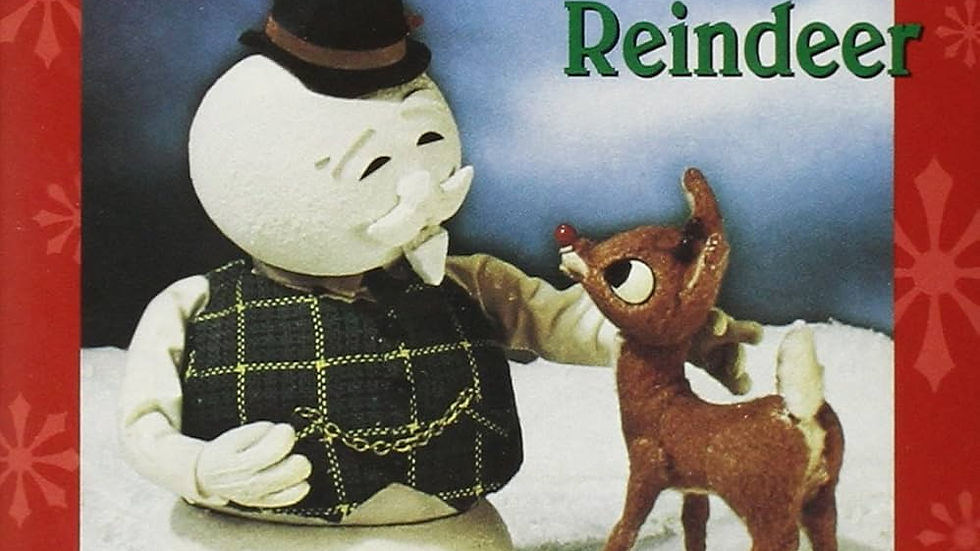
Originally based on a booklet created for Montgomery Ward, the story was later adapted into a song that became a massive hit. The stop-motion television special almost didn’t happen, but the addition of Burl Ives as narrator and singer helped cement its place in holiday history.
Songs like “Silver and Gold” and “A Holly Jolly Christmas” are inseparable from the visuals, making this soundtrack a perfect example of music reinforcing story and tradition.
A Charlie Brown Christmas: Jazz, Simplicity, and Timeless Design
"A Charlie Brown Christmas" stands out for doing something completely different. Vince Guaraldi’s jazz-driven score was a major risk at the time. Network executives were unsure audiences would connect with it. They were wrong. The stripped-down trio sound, combined with tracks like “Linus and Lucy” and “Christmas Time Is Here,” helped create one of the most beloved Christmas soundtracks of all time. It’s also one of the rare holiday albums that works just as well as a standalone listening experience.

From the music to the cover art, everything about this soundtrack reflects simplicity, warmth, and emotional honesty.
Home Alone: How the Score Elevated a Holiday Classic
"Home Alone" may be remembered for its comedy, but the music plays a huge role in its lasting impact. Composer John Williams stepped in late in the production process. He helped transform the film with a score that balanced orchestral warmth and playful energy. Themes like “Somewhere in My Memory” gave the movie emotional weight, while more energetic cues enhanced the film’s slapstick moments. The result is a soundtrack that helped turn "Home Alone" into one of the most re-watchable Christmas movies of all time.
The NSYNC Christmas Album: A Holiday Wild Card
While not tied directly to a movie, NSYNC’s "Home for Christmas" came up as a personal favorite (for Phil) and a reminder of how deeply music connects to family memories. Released in 1998, the album became a late-90s holiday staple. It blended pop production with classic Christmas songs. For many listeners, it’s inseparable from the era and the memories attached to it.
The Impact of Christmas Soundtracks
Christmas soundtracks are more than just background music. They shape our memories and experiences. They evoke feelings of nostalgia and joy. When we hear these songs, we are transported back to moments spent with loved ones. The melodies remind us of traditions, both old and new.
The Role of Music in Holiday Celebrations
Music plays a vital role in holiday celebrations. It sets the mood and creates an atmosphere of joy and togetherness. From caroling to family gatherings, the right soundtrack can enhance the experience. It brings people together, fostering connections and shared memories.
The Evolution of Christmas Music
Christmas music has evolved over the years. From traditional carols to modern pop hits, the genre continues to grow. Artists from various backgrounds contribute to the holiday music landscape. This evolution reflects changing cultural trends and societal values.
Conclusion
From jazz-driven scores to pop-era holiday albums, these Christmas soundtracks show how powerful music can be in shaping tradition, nostalgia, and storytelling. Whether it’s the timeless simplicity of "A Charlie Brown Christmas," the cultural dominance of "White Christmas," or the emotional pull of "Home Alone," these soundtracks continue to define the holiday season.
From both of us here at Judged by The Cover, we wish you all a Merry Christmas and a Happy New Year!!!


Comments